L&D Insights | Future Savvy
L&D Insights
Practical wisdom for learning and development professionals

Explore expert guidance, emerging trends, and real-world advice to help you design, deliver, and champion better workplace learning. Whether you're leading an L&D strategy or just starting out, these insights are here to sharpen your thinking and support your impact.
 L&D Insights
UK Training Demand Report 2026: What Organisations Actually Buy
What 1,451 UK organisations actually bought training in from 2019 to 2026, what they paid, who placed the order and how big their employer was, with the national skills-gap figures beside our own. Excel is 44% of orders, SQL has fallen from a third to under 4%, Power Automate is one order in ten, and two in five buyers sit in L&D or HR. Updated each October; free to cite.
 L&D Insights
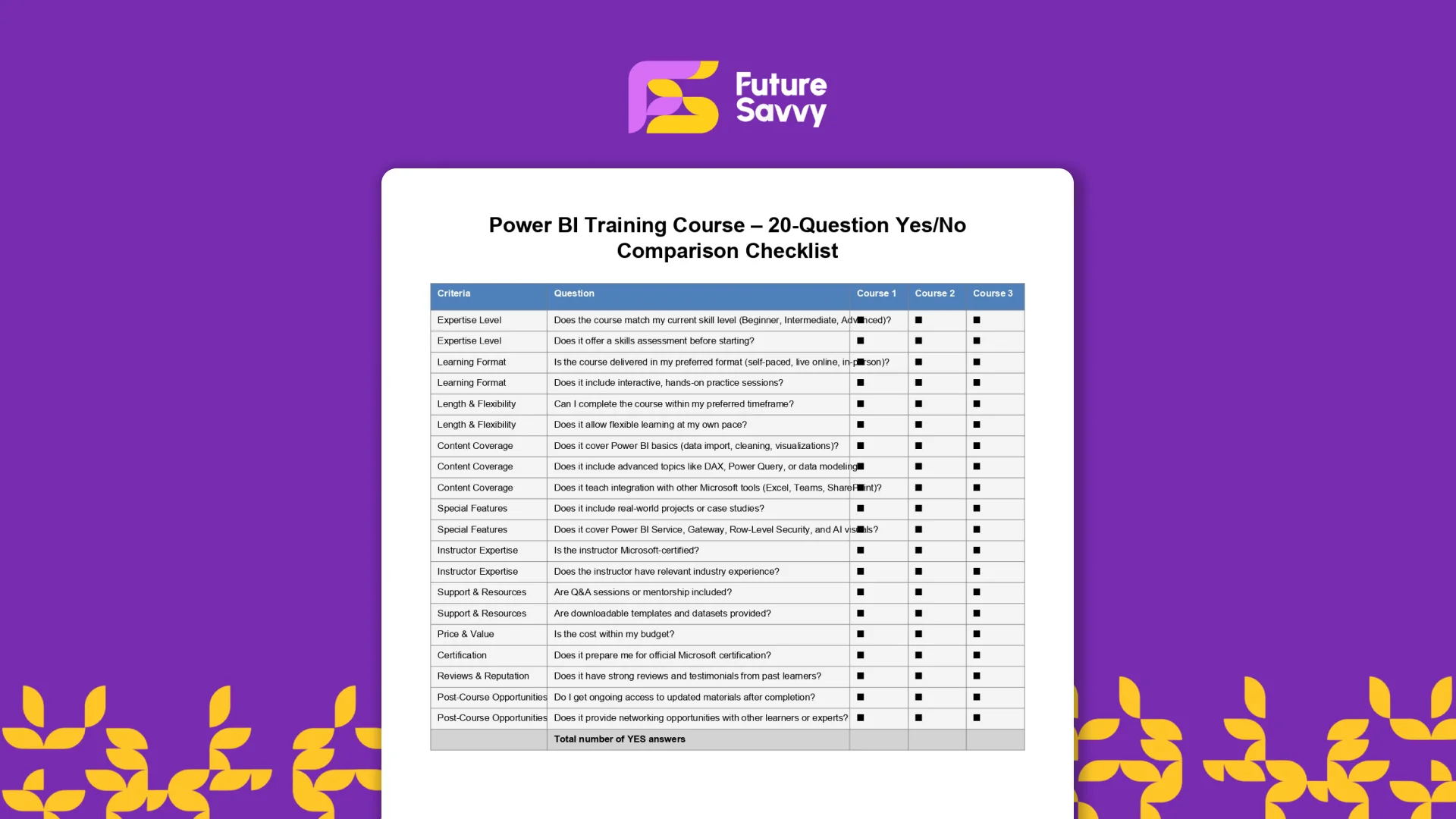
Power BI Training Course – 20-Question Comparison Checklist
The Power BI Training Course – 20 Questions Checklist is a practical, printable tool to compare Power BI courses across providers objectively. Use it to score curriculum quality, delivery format, hands-on practice, certification prep, and after-course support so you can choose with confidence.
 L&D Insights
AI and Digital Transformation: Are They the Same?
AI is often marketed as “digital transformation,” but it’s better understood as a powerful accelerator that only works well on top of strong digital foundations. This article clarifies the difference between digitalisation, digital transformation, and AI - then explains where they intersect, where they don’t, and why blurred thinking leads to costly pilots, vendor dependency, and weak governance. You’ll also get practical guidance for adopting AI responsibly through outcomes-first strategy, data readiness, operating model changes, and trust-focused controls.
 L&D Insights
Why Staff Turnover in the UK Is Spiking
The article explains that UK SMBs are facing costly first-year staff turnover, largely due to underinvestment in employee skills rather than bad luck. It breaks down the true cost of churn - hiring, onboarding, and long ramp-up times- and shows how structured training, 30-60-90 day learning paths, and better onboarding can dramatically improve retention, productivity, and profitability. Using concrete maths, a hotel case study, and practical KPIs, it gives leaders a framework to calculate their own churn costs and build data-driven training programmes that keep employees longer.
 L&D Insights
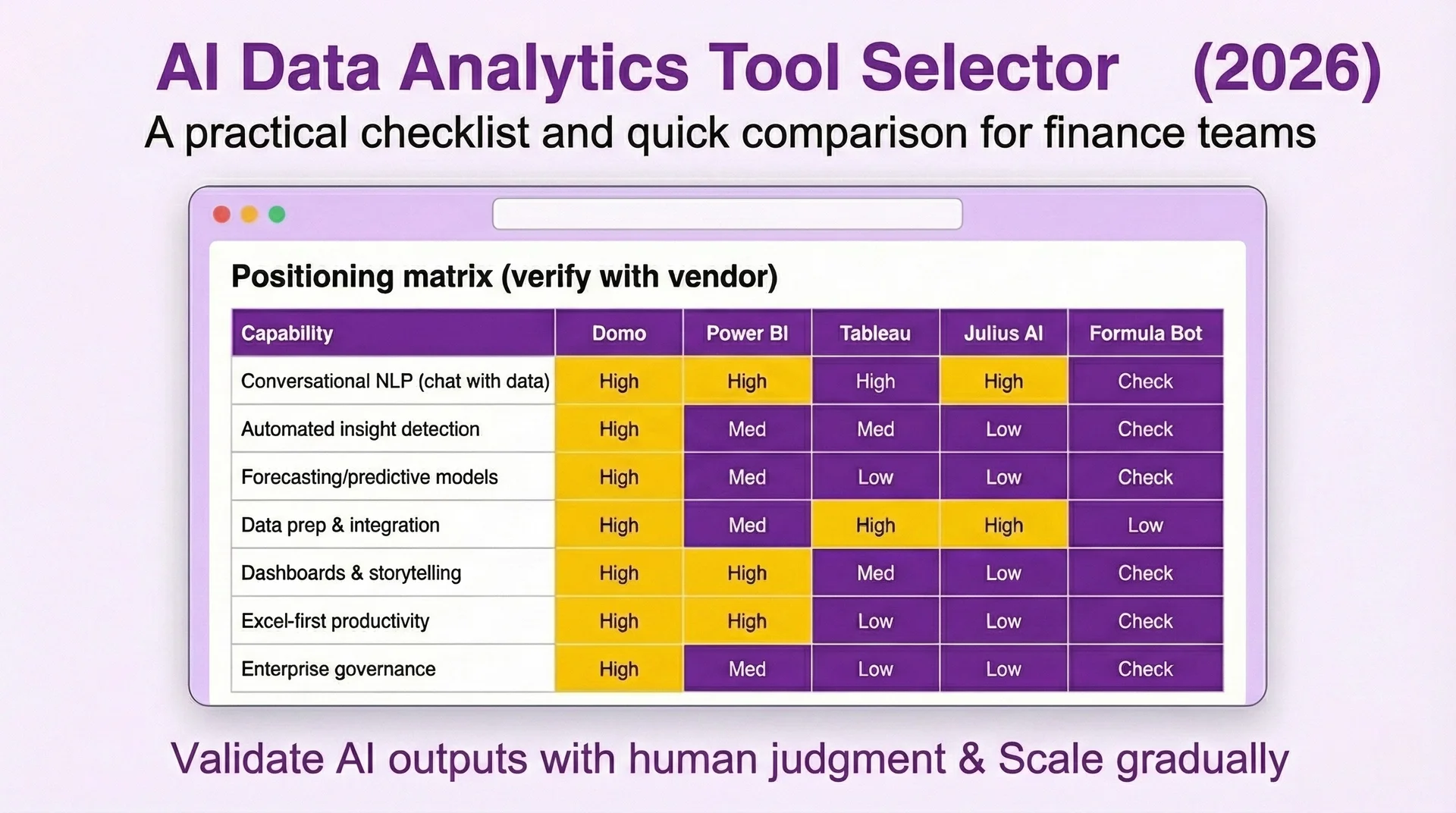
AI Data Analytics Tool Selector (2026)
Choosing an AI analytics tool shouldn’t be a guessing game. The AI Data Analytics Tool Selector (2026) is a practical, finance-friendly checklist plus quick comparison designed to help you shortlist the right option and validate it fast.
 L&D Insights
How to Peform a Capabilities-based Assessment
A Capabilities-based Assessment (CBA) is a structured process that compares an organisation’s current skills, processes, and technologies with the capabilities it needs to achieve its strategy, highlighting critical gaps. The method involves mapping existing capabilities, rating their maturity against strategic targets, conducting gap analysis, and turning findings into an actionable road map. Widely applied in sectors from healthcare to education, CBAs enable data-driven decisions and targeted upskilling that translate directly into greater value.
 L&D Insights
How to Perform a Learning Need Analysis?
A Learning Needs Analysis (LNA) systematically pinpoints gaps between current workforce performance and the skills required to meet organisational goals, ensuring training is targeted rather than guesswork. By linking learning to strategic metrics, LNA cuts wasted spend, boosts ROI, and raises engagement while preventing costly mis‑targeted programmes. The article outlines a step‑by‑step process—define business objectives, analyse learner profiles, gather data across organisational, group and individual levels, and prioritise needs—supported by best‑practice tips and technology tools.
 L&D Insights
Virtual Training Courses: Are They Worth It?
Instructor-led virtual training (ILVT) delivers live, interactive learning online, combining real-time instruction with tools like chats, polls, and breakout rooms. Compared with on-site training, ILVT often reduces costs, increases flexibility and access, and can match or outperform in-person results when well designed—especially for knowledge and many technical skills. The article outlines benefits for organisations, essential tech stacks, steps to launch ILVT effectively, and how emerging AI and micro-credentials enhance outcomes.
 L&D Insights
Basic vs. Advanced SQL Training Courses: What is the difference?
The article explains what SQL training courses cover at basic and advanced levels, highlighting their shared focus on hands-on practice. It contrasts beginner courses that teach core querying and database concepts with advanced courses that tackle complex joins, window functions, CTEs, indexing, and performance. It outlines certifications, career paths, and why SQL remains a high-demand skill across roles like analysts, engineers, and developers. Finally, it offers criteria for choosing the right course and showcases instructor-led options from providers such as Future Savvy and others.